Second (or Spoiler) Read Reviews are written for readers who already know about a book or don’t mind a spoiler or three. Expect plot reveals and in-depth discussion of the book’s events.
WARNING. SPOILERS FROM THIS POINT ON
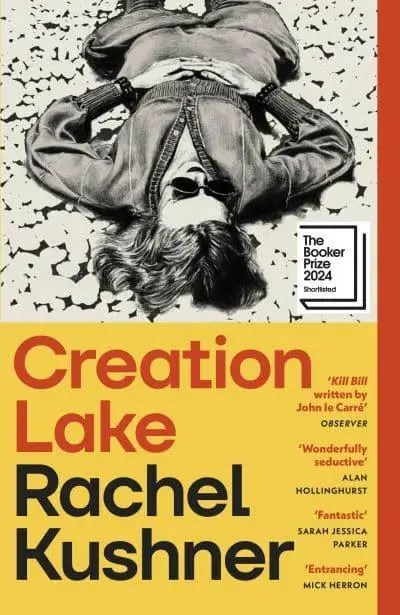
My interest in reading Creation Lake was sparked by a mistaken categorisation of it as science fiction. It’s not. It is, however, science-infused fiction.
That’s one of the things that kept me going—the main character and first-person narrator’s paraphrasing of various emails focused on Neanderthals and Homo sapiens, which were also supposed to contain hidden messages about the intentions of an activist group she was sent to spy on.
I should have put it down when the email summaries stopped; without them, it lost its magic. It felt like there was a moment when the author realised she needed to do something with all these vibes and start planning for an ending.
I can see why it made it to The Booker Prize 2024 shortlist. It lingers. It lingers. I imagine it would spark a great book club discussion.
The character repeatedly tells us she’s an agent provocateur—and not a good one. In the end, the incident she’s meant to instigate would have happened without her, which makes it all feel a little pointless. Actually, that’s unfair. She does whip up the crowd, forcing the target to be in the wrong place at the right time.
There’s no grand conspiracy. There’s commentary on wealthy people playing saviour to those their peers have oppressed and ignored. There’s also a lot of information imparted about evolution.
It’s like a weird fever dream of a secret agent’s summer holiday—one that both we and the author eventually wake up from. It’s one I feel I’d rather not have had.
 Gav Reads